
The Role of Layout in Album Design:

Home / Blog The Role of Layout in Album Design: In the realm of visual storytelling, album layouts serve as the canvas upon which memories are painted. From wedding albums to travel diaries, the arrangement of images plays a pivotal role in shaping the narrative and emotional impact of the final product. Join us as we delve into the fascinating science behind effective album layouts, exploring the principles and techniques that transform a collection of photographs into a cohesive and compelling narrative. 1.The Power of Visual Hierarchy At the heart of effective album layouts lies the concept of visual hierarchy—a fundamental principle in design that guides the viewer’s eye through the composition. By strategically arranging images based on size, placement, and contrast, designers can create focal points, establish flow, and convey hierarchy of importance. Whether through size variation, leading lines, or contrast, visual hierarchy ensures that viewers are drawn into the narrative and guided through the story in a seamless manner. 2.The Rule of Thirds and Golden Ratio Two time-honoured principles in design, the rule of thirds and golden ratio, provide a framework for creating balanced and visually pleasing compositions. The rule of thirds divides the canvas into a grid of nine equal sections, with key elements placed along the intersecting lines or their intersections. Similarly, the golden ratio—a mathematical ratio found in nature and art—offers a harmonious proportion that can be applied to image placement and spacing. By adhering to these principles, designers can create layouts that feel balanced, harmonious, and aesthetically pleasing to the eye. 3.Embracing Gestalt Principles Gestalt psychology, which explores how humans perceive and interpret visual stimuli, offers valuable insights into the creation of effective album layouts. Principles such as proximity, similarity, and closure play a crucial role in organising and grouping images, allowing viewers to make sense of the visual information presented to them. By leveraging these principles, designers can create layouts that are intuitive, organised, and easy to navigate, enhancing the overall viewing experience for the audience. 4.The Psychology of Color and Mood Colour psychology—the study of how colours affect human behaviour and emotions—can significantly impact the mood and tone of an album layout. Warm colours like reds and oranges evoke feelings of warmth, energy, and passion, while cool colours like blues and greens evoke a sense of calmness, tranquillity, and serenity. By carefully selecting and coordinating colour palettes, designers can evoke specific emotions and enhance the narrative resonance of the images. 5.Cohesion Through Consistency Consistency is key to creating cohesive album layouts that feel unified and harmonious. From typography and spacing to colour schemes and image styles, maintaining a consistent visual language throughout the album ensures that each page feels like a seamless continuation of the narrative. Consistency fosters a sense of rhythm, coherence, and familiarity, allowing viewers to immerse themselves in the story without distraction or disruption. In conclusion, effective album layouts are not merely the result of aesthetic intuition; they are rooted in scientific principles that govern human perception and cognition. By understanding the principles of visual hierarchy, composition, psychology, and consistency, designers can create layouts that captivate the eye, evoke emotion, and tell a compelling story. As guardians of these principles, Alpha Designs is committed to crafting album layouts that resonate with viewers, preserving memories in a way that is both beautiful and meaningful. Recent Blogs The Role of Layout in Album Design: Learn more The Psychology of Album Design: How Colors and Fonts Influence Perception Home / Blog The Psychology of Album Design: How Colors… Learn more Choosing the Right Paper for Your Album Printing Project Home / Blog Choosing the Right Paper for Your Album… Learn more
The Psychology of Album Design: How Colors and Fonts Influence Perception

Home / Blog The Psychology of Album Design: How Colors and Fonts Influence Perception Album design integrates art and psychology, where colors and fonts play pivotal roles in shaping perception and emotional responses. Let’s delve into how these elements influence our experience:Colors:1. Emotional Impact: Red: Evokes strong emotions such as passion, excitement, or intensity, often suited for high-energy music genres. Blue: Conveys calmness, serenity, and depth, commonly found in albums with introspective or melancholic themes. Yellow: Represents optimism, happiness, and warmth, ideal for upbeat or cheerful music. Black: Symbolizes power, sophistication, or mystery, creating a sense of drama or seriousness. White: Signifies purity, simplicity, and minimalism, favored for clean and modern designs. 2. Cultural Associations: Colors carry cultural meanings; for instance, red can symbolize passion or luck depending on cultural context. 3. Contrast and Readability:Contrast between background and text colors affects readability; high contrast aids legibility but may lack artistic flair, whereas low contrast can be visually striking but harder to read. Fonts:1. Personality and Tone: Serif Fonts: Classic and elegant, suggesting tradition or sophistication. Sans-serif Fonts: Modern and clean, conveying a contemporary and minimalist feel. Script Fonts: Elegant and artistic, adding a personal or handmade touch. Bold Fonts: Strong and attention-grabbing, suitable for impactful statements. 2. Readability vs. Aesthetics:Font choice impacts readability of album titles and track lists; while artistic fonts can be visually appealing, they should be used judiciously to ensure readability. 3. Consistency and Branding:Fonts contribute to the artist’s or band’s branding; consistent font use across albums strengthens brand identity and recognition. Design Harmony: 1. Balance and Unity: Colors and fonts should harmonize with the album’s theme, genre, and intended emotional impact to create coherence and reinforce the album’s message. 2. Audience Consideration: Design choices should align with the target audience; younger audiences may prefer bright colors and trendy fonts, while older demographics may lean towards classic styles. 3. Cultural Sensitivity: Cultural backgrounds and associations with colors and fonts should be considered to avoid unintended meanings or misinterpretations. Conclusion:In conclusion, album design is a potent tool for evoking emotion, style, and brand identity. Through thoughtful selection of colors and fonts, designers can enhance the listener’s perception and craft a visual narrative that resonates with the music and its audience. Recent Blogs The Psychology of Album Design: How Colors and Fonts Influence Perception Home / Blog The Psychology of Album Design: How Colors… Learn more Choosing the Right Paper for Your Album Printing Project Home / Blog Choosing the Right Paper for Your Album… Learn more How Photo Albums Evoke Emotions and Memories Home / Blog How Photo Albums Evoke Emotions and Memories… Learn more
Choosing the Right Paper for Your Album Printing Project

Home / Blog Choosing the Right Paper for Your Album Printing Project In the world of album printing, the choice of paper can make or break the final product. Whether one is a professional photographer creating a wedding album or a hobbyist compiling family memories, selecting the right paper is crucial for achieving the desired look and feel. Several factors must be considered when choosing the right paper for an album printing project, including paper type, finish, weight, and archival quality. Understanding Paper Types The two main types of paper commonly used in album printing are photographic paper and fine art paper. Photographic paper is specifically designed for high-quality photo prints, offering vibrant colours and sharp details. This type of paper is often preferred for albums that showcase a wide range of colours and intricate details, such as wedding albums or travel photo books.Fine art paper, on the other hand, is typically used for more artistic projects. It has a texture that adds a tactile element to the images, enhancing the viewing experience. Fine art paper is ideal for black-and-white photography, artistic portraits, or any project where the texture and depth of the image are important. Choosing the Right Finish The finish of the paper affects both the appearance and the durability of the printed album. The most common finishes are glossy, matte, and luster. Glossy Finish: This finish provides a shiny, reflective surface that makes colours pop and adds a professional touch to the photos. However, glossy paper can be prone to fingerprints and glare, which might be undesirable for certain projects. Matte Finish: Matte paper offers a non-reflective surface, making it a popular choice for albums that will be frequently handled. It provides a softer, more subdued look that is less susceptible to fingerprints. Matte finish is often chosen for art books or albums with a classic, understated style. Luster Finish: Luster paper strikes a balance between glossy and matte finishes. It has a slight sheen that enhances colour vibrancy while reducing glare and fingerprints. This finish is often preferred for its versatility and is a popular choice for a wide range of album types. Considering Paper Weight Paper weight, measured in grams per square meter (gsm), is another critical factor in the album printing process. Heavier paper tends to be more durable and provides a higher-quality feel, which is important for albums meant to be treasured for years to come. Common paper weights for album printing range from 150 gsm to 300 gsm.For a luxurious and substantial feel, one might opt for heavier paper, such as 250 gsm or 300 gsm. This is particularly suitable for premium photo books or wedding albums. For more casual projects, lighter paper around 150 gsm to 200 gsm can be a practical and cost-effective choice. Archival Quality When creating an album intended to last a lifetime, or even to be passed down through generations, archival-quality paper is essential. Archival paper is acid-free and designed to resist fading and degradation over time. It ensures that the colours remain vibrant and the paper itself remains intact, preserving precious memories for the future. Making the Final Decision Selecting the right paper for an album printing project involves balancing aesthetic preferences with practical considerations. One must think about the type of images being printed, the desired look and feel of the album, and the longevity of the finished product. By carefully evaluating these factors, it is possible to choose the perfect paper that will enhance the beauty of the photos and create an album that can be cherished for years to come.In conclusion, the paper choice in album printing is not just a technical detail; it is an integral part of the creative process. The right paper can elevate a collection of photos into a stunning visual narrative, capturing moments with clarity and elegance and alpha designs does just that, Whether opting for the vibrant sheen of glossy paper, the sophisticated subtleness of matte, or the balanced versatility of luster, the perfect paper awaits to transform any album printing project into a masterpiece. Recent Blogs Choosing the Right Paper for Your Album Printing Project Learn more How Photo Albums Evoke Emotions and Memories Home / Blog How Photo Albums Evoke Emotions and Memories… Learn more The Aesthetics of Black and White Photo Albums Home / Blog The Aesthetics of Black and White Photo… Learn more
How Photo Albums Evoke Emotions and Memories

Home / Blog How Photo Albums Evoke Emotions and Memories In a world increasingly dominated by digital screens and fleeting social media posts, the tangible presence of a photo album holds a special, almost magical place. These carefully curated collections of photographs have a unique ability to evoke powerful emotions and vivid memories, offering a window into the past that is both personal and communal. The Power of Tangibility One of the most compelling aspects of photo albums is their physical presence. Unlike digital images that can be swiped away in an instant, photo albums require engagement. The act of turning pages, feeling the texture of the paper, and seeing photos printed on physical media creates a sensory experience that digital formats often lack. This tangibility anchors the viewer in the moment, making the memories more concrete and the emotions more profound. A Journey Through Time Photo albums serve as a chronological narrative of one’s life, capturing milestones, celebrations, and everyday moments that might otherwise be forgotten. Each page turned is a step back in time, a journey through personal history. The visual storytelling aspect of photo albums allows individuals to relive these moments in a way that is both immersive and impactful. A baby’s first steps, a family vacation, or a graduation day – each photograph serves as a trigger, bringing back the sounds, smells, and feelings associated with that time. The Emotional Resonance of Shared Memories Beyond individual recollections, photo albums often capture shared experiences. They become communal artifacts that bind families and friends together through collective memory. When people gather around a photo album, it often leads to storytelling, laughter, and sometimes tears. These shared moments of reflection strengthen bonds and create a sense of continuity and belonging. The collective reminiscing fosters a deep emotional connection, making the memories more vivid and the emotions more intense. Nostalgia and Reflection Photo albums also tap into the powerful emotion of nostalgia. Nostalgia is a bittersweet feeling that combines happiness from past memories with a sense of longing for a time that has passed. Flipping through a photo album can bring about a nostalgic rush, reminding individuals of who they were and how they’ve changed. This reflection can be both comforting and enlightening, offering a perspective on personal growth and the passage of time. Preservation of Legacy In addition to evoking personal memories and emotions, photo albums play a crucial role in preserving legacy. They become heirlooms passed down through generations, offering future family members a glimpse into the lives of their ancestors. This connection to the past provides a sense of identity and continuity, linking the present with the history of the family. The stories and emotions captured within the pages of a photo album become a cherished part of family lore, keeping the memories alive for years to come. Conclusion In an age where digital photos are omnipresent and often ephemeral, photo albums hold a special significance. They evoke emotions and memories through their physical presence, their ability to tell a chronological story, and their power to capture shared experiences. The nostalgia and reflection they inspire provide comfort and insight, while their role in preserving legacy ensures that memories are kept alive for future generations. Alpha Designs, specialising in album designs, plays a crucial role in preserving these memories in beautifully crafted formats, ensuring that the emotional resonance of photo albums endures. Recent Blogs Choosing the Right Paper for Your Album Printing Project Learn more How Photo Albums Evoke Emotions and Memories Learn more The Aesthetics of Black and White Photo Albums Home / Blog The Aesthetics of Black and White Photo… Learn more
The Aesthetics of Black and White Photo Albums

Home / Blog The Aesthetics of Black and White Photo Albums In a world dominated by the vibrancy of digital colour photography, black and white photo albums hold a unique and timeless charm. These monochromatic collections evoke a sense of nostalgia and sophistication, offering a distinct aesthetic that continues to captivate photographers and viewers alike.The Power of Contrast One of the most compelling aspects of black and white photography is its ability to highlight contrast. By stripping away the distraction of colour, photographers can focus on the interplay between light and shadow. This stark contrast can accentuate textures, shapes, and lines, creating images that are both striking and evocative. A black and white photo album often feels more deliberate and composed, each photograph meticulously crafted to balance the tonal spectrum from deep blacks to bright whites. Emphasising Emotion Black and white photography has a unique ability to convey emotion. Without the influence of colour, the viewer’s attention is drawn to the subject’s expression, body language, and the overall mood of the scene. This can make black and white portraits particularly powerful, capturing the essence of the subject in a way that colour might dilute. The absence of colour can also lend a timeless quality to the images, allowing them to transcend the era in which they were taken. Artistic Simplicity There is a certain purity in the simplicity of black and white photography. This simplicity can enhance the artistic quality of a photo album, giving it a cohesive and elegant look. The monochrome palette encourages photographers to pay closer attention to composition, leading to more thoughtful and deliberate image creation. Every element within the frame must work in harmony to convey the intended message or emotion, often resulting in more visually compelling images.A Nostalgic ConnectionFor many, black and white photo albums evoke a sense of nostalgia. They harken back to an era before the advent of colour photography, when black and white film was the standard. This historical connection can imbue the images with a sense of timelessness and authenticity. Viewing a black and white photo album can feel like stepping back in time, providing a tangible link to the past that is both evocative and poignant. The Timeless Appeal Despite advances in photographic technology, the appeal of black and white photography endures. Its aesthetic qualities are appreciated by both amateur and professional photographers, as well as by art connoisseurs. Black and white photo albums are often seen as more artistic and refined, making them a popular choice for portfolios, exhibitions, and personal collections. Crafting a Black and White Photo Album Creating a black and white photo album involves more than simply desaturating colour images. Photographers must consider the inherent qualities of black and white imagery from the moment they frame their shots. This includes paying attention to lighting conditions, textures, and contrasts that will translate well into monochrome. Post-processing techniques can further enhance these qualities, allowing photographers to adjust tones and contrasts to achieve the desired effect. The process of assembling a black and white photo album can be deeply rewarding. It challenges photographers to see the world differently, to appreciate the nuances of light and shadow, and to capture moments with a timeless quality. The resulting album is often a testament to the photographer’s vision and skill, a collection that can be cherished for generations. In conclusion, the aesthetics of black and white photo albums offer a captivating blend of contrast, emotion, simplicity, nostalgia, and timeless appeal. These monochromatic collections continue to hold a special place in the hearts of photographers and viewers, celebrating the enduring power of black and white imagery in a colourful world. Recent Blogs The Aesthetics of Black and White Photo Albums Home / Blog The Aesthetics of Black and White Photo… Learn more The Benefits of Using Archival-Quality Materials in Album Printing Home / Blog The Benefits of Using Archival-Quality Materials in… Learn more The Best Software Tools for Designing Photo Albums Home / Blog The Best Software Tools for Designing Photo… Learn more
The Benefits of Using Archival-Quality Materials in Album Printing

Home / Blog The Benefits of Using Archival-Quality Materials in Album Printing In the realm of preserving precious memories, the materials chosen for album printing play a crucial role. While digital photos offer convenience and accessibility, printed albums provide a tangible, lasting testament to life’s most cherished moments. However, not all printed albums are created equal. The use of archival-quality materials in album printing significantly enhances the longevity and quality of these keepsakes, ensuring that they can be treasured for generations. Preservation of Image Qualityblob: Archival-quality materials are designed to withstand the test of time. Traditional paper and ink can degrade quickly, causing images to fade, discolour, or deteriorate. Archival-quality paper, often acid-free and lignin-free, resists yellowing and brittleness. This type of paper maintains the vibrancy and clarity of photos, ensuring that the details and colours of each image remain as vivid as the day they were printed. Additionally, archival inks are formulated to resist fading, providing sharp and enduring prints. Together, these materials ensure that each photo retains its original quality, protecting against the ravages of time and environmental factors. Protection Against Environmental Factors Humidity, light exposure, and temperature fluctuations can all have detrimental effects on printed photographs. Archival-quality materials offer superior protection against these elements. Acid-free paper, for instance, does not react with the environment in the same way as standard paper, preventing the chemical reactions that can lead to discoloration and degradation. Furthermore, albums made with archival-quality binding materials are more durable, offering enhanced resistance to physical wear and tear. This ensures that albums can be handled frequently without suffering damage, making them ideal for family heirlooms intended to be passed down through generations. Ensuring Long-Term Value Albums printed with archival-quality materials are an investment in the future. While the initial cost may be higher compared to standard options, the long-term benefits far outweigh the expense. Over time, albums made with inferior materials may need to be replaced due to fading or damage, resulting in additional costs and the potential loss of irreplaceable memories. Archival-quality albums, on the other hand, retain their integrity over the decades, preserving not only the photos but also the emotional and historical value they hold. For professional photographers, offering archival-quality albums can also enhance their reputation, providing clients with a product that ensures their special moments are preserved in the best possible way. Peace of Mind Knowing that memories are safeguarded brings peace of mind. Archival-quality materials provide assurance that photos will remain pristine and intact, offering a reliable way to document and celebrate life’s milestones. This peace of mind is invaluable, particularly for significant events such as weddings, anniversaries, and family reunions. Archival-quality albums become more than just photo books; they transform into cherished keepsakes, representing a reliable record of personal history. A Sustainable Choiceblob: Using archival-quality materials can also be seen as a more sustainable choice. The longevity of these materials means fewer resources are used over time, as there is less need for reprinting and replacing degraded albums. Many archival-quality papers and inks are also produced with environmentally friendly processes, reducing their overall environmental impact. By choosing archival-quality materials, consumers not only protect their memories but also make a responsible choice for the planet. In conclusion, the benefits of using archival-quality materials in album printing are manifold. From preserving image quality and offering protection against environmental factors to ensuring long-term value and providing peace of mind, these materials stand out as the superior choice for creating lasting photo albums. As people continue to capture and celebrate life’s significant moments, the importance of using the best possible materials to preserve these memories cannot be overstated. Archival-quality albums serve as a testament to the enduring value of printed photographs, bridging generations with their timeless appeal and reliability. Recent Blogs The Aesthetics of Black and White Photo Albums Home / Blog The Aesthetics of Black and White Photo… Learn more The Benefits of Using Archival-Quality Materials in Album Printing Home / Blog The Benefits of Using Archival-Quality Materials in… Learn more The Best Software Tools for Designing Photo Albums Home / Blog The Best Software Tools for Designing Photo… Learn more
The Best Software Tools for Designing Photo Albums

Home / Blog The Best Software Tools for Designing Photo Albums Designing a photo album is an art that requires the right tools to turn precious memories into stunning visual narratives. With the plethora of software available today, selecting the best tool can be daunting. To make this process easier, here is a comprehensive look at some of the best software tools for designing photo albums, each offering unique features and capabilities. 1. Adobe Lightroom Powerful Editing and OrganizationAdobe Lightroom stands out as a top choice for photographers and designers looking to create professional-quality photo albums. Known for its robust editing capabilities and intuitive interface, Lightroom allows users to organize, edit, and enhance their photos seamlessly. Its non-destructive editing feature ensures that original images remain untouched, providing the flexibility to experiment with various adjustments.Integration with Adobe EcosystemOne of Lightroom’s strengths is its integration with other Adobe Creative Cloud applications, such as Photoshop and InDesign. This allows for a streamlined workflow where users can leverage the strengths of multiple tools to achieve the best results. 2. Adobe InDesign Professional Layout and DesignAdobe InDesign is the go-to software for professional graphic designers and layout artists. Its advanced layout capabilities make it ideal for designing photo albums with intricate and sophisticated layouts. InDesign provides precise control over typography, images, and graphics, enabling the creation of visually appealing and cohesive album designs.Template and Customization OptionsInDesign offers a variety of templates and customization options, catering to both beginners and advanced users. Its powerful tools for creating master pages, grids, and styles ensure consistency and efficiency in the design process. 3. Canva User-Friendly and AccessibleFor those seeking a more accessible and user-friendly option, Canva is an excellent choice. This web-based design tool provides a wide range of templates specifically designed for photo albums, making it easy for users to create beautiful layouts without extensive design experience.Drag-and-Drop InterfaceCanva’s intuitive drag-and-drop interface allows users to add photos, text, and other design elements with ease. Its extensive library of graphics, fonts, and templates simplifies the design process, making it a popular choice for casual users and hobbyists. 4. Blurb BookWright Dedicated Photo Album SoftwareBlurb BookWright is a dedicated photo album design tool that offers a seamless experience from design to print. It provides a range of customizable templates and layout options, making it easy to create professional-quality photo books and albums.Direct Publishing and PrintingOne of BookWright’s standout features is its integration with Blurb’s printing services. Users can design their albums and directly publish or print them through Blurb, ensuring high-quality physical copies with minimal hassle. 5. Mixbook Collaborative and CreativeMixbook combines ease of use with creative flexibility, making it a popular choice for both personal and professional photo album projects. Its online platform offers a collaborative environment where multiple users can work on a project simultaneously, ideal for family albums or team projects. Extensive Design ElementsMixbook provides a vast array of design elements, including backgrounds, stickers, and layouts, allowing users to personalize their albums extensively. Its user-friendly interface and extensive customization options make it suitable for users of all skill levels. 6. Affinity Publisher Cost-Effective Professional ToolAffinity Publisher is a cost-effective alternative to Adobe InDesign, offering similar professional-grade layout and design capabilities. It supports a wide range of file formats and provides advanced tools for creating complex and visually appealing photo album designs. Integration with Affinity SuiteAffinity Publisher seamlessly integrates with Affinity Photo and Affinity Designer, allowing users to leverage the strengths of the entire Affinity suite for a comprehensive design workflow. ConclusionChoosing the right software for designing photo albums depends on various factors, including the user’s skill level, specific needs, and budget. Adobe Lightroom and InDesign are excellent choices for professional photographers and designers seeking advanced editing and layout capabilities. Canva and Mixbook cater to casual users and hobbyists with their user-friendly interfaces and extensive design options. Blurb BookWright and Affinity Publisher offer dedicated and cost-effective solutions for creating high-quality photo albums.Each of these tools brings unique features and strengths to the table, empowering users to transform their cherished memories into beautifully designed photo albums. By selecting the right software, anyone can create stunning visual narratives that preserve and celebrate life’s most precious moments. Recent Blogs The Best Software Tools for Designing Photo Albums Learn more Exploring Different Binding Techniques in Album Printing Home / Blog Exploring Different Binding Techniques in Album Printing… Learn more From Pixels to Paper: Transforming Digital Photos into Beautiful Printed Albums Home / Blog From Pixels to Paper: Transforming Digital Photos… Learn more
Exploring Different Binding Techniques in Album Printing
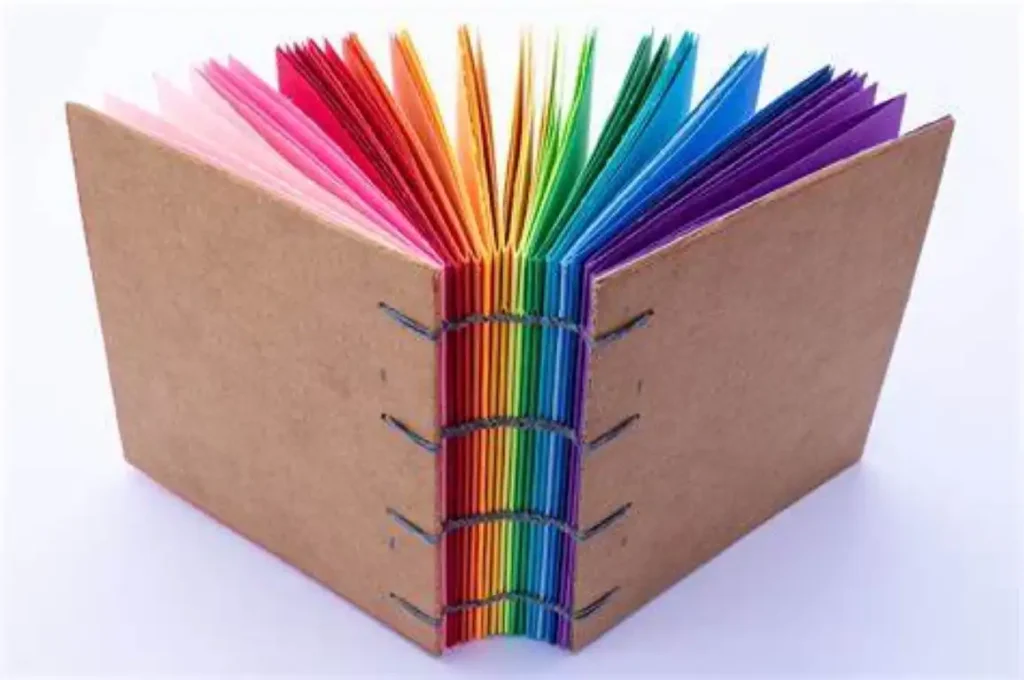
Home / Blog Exploring Different Binding Techniques in Album Printing In the realm of album printing, the binding technique used can significantly impact the durability, aesthetics, and overall feel of the final product. Each binding method brings its own unique charm and functionality to the table, catering to different preferences and purposes. In this exploration of the art of album printing, we delve into the world of binding techniques, unveiling the secrets behind their craftsmanship and the beauty they bring to every album. 1. Traditional Bookbinding: Traditional bookbinding stands as a testament to centuries-old craftsmanship, characterised by its meticulous attention to detail and timeless elegance. This technique involves sewing together individual pages before attaching them to a sturdy cover, resulting in a seamless and durable binding. With its classic appeal and ability to withstand the test of time, traditional bookbinding remains a popular choice for those seeking to infuse their albums with a sense of heritage and sophistication. 2. Lay-Flat Binding: Unleashing Creativity in Design Lay-flat binding has revolutionised the world of album printing, offering unparalleled versatility and freedom in design. This innovative technique allows pages to lie completely flat when opened, eliminating unsightly creases or gaps in panoramic spreads. By enabling seamless, uninterrupted visuals across double-page spreads, lay-flat binding empowers designers to unleash their creativity and craft visually stunning layouts that captivate the viewer’s imagination. 3. Spiral Binding: Embracing Practicality and Flexibility Spiral binding, also known as coil binding, is prized for its practicality and flexibility, making it an ideal choice for albums that require frequent handling or frequent page turning. This binding method involves securing pages with a continuous spiral coil, allowing the album to lay flat and facilitating easy browsing and viewing of contents. With its ability to accommodate a wide range of page sizes and materials, spiral binding offers unmatched flexibility and convenience for a variety of album projects. 4. Post-Binding: Striking a Balance Between Form and Function Post-binding, characterised by its distinctive screw or post fasteners, strikes a perfect balance between form and function. This binding technique allows pages to be easily removed, added, or rearranged, offering utmost flexibility in album customization. With its sleek and minimalist design, post-binding adds a touch of modern sophistication to any album, while its practicality ensures ease of use and longevity. 5. Perfect Binding: Achieving Seamless Elegance Perfect binding is synonymous with sleek, seamless elegance, offering a polished finish that rivals that of commercially produced books. This technique involves adhering individual pages to a wraparound cover using a strong adhesive, creating a clean and uniform spine. Perfect binding is well-suited for albums with a large number of pages, providing a professional and cohesive look that exudes sophistication and refinement.In conclusion, the choice of binding technique in album printing is a critical decision that can greatly influence the overall look, feel, and functionality of the final product. Whether opting for the timeless charm of traditional bookbinding, the creative freedom of lay-flat binding, the practicality of spiral binding, the versatility of post-binding, or the seamless elegance of perfect binding, each method brings its own unique advantages and aesthetic appeal to the table. As artisans of album printing, embracing the artistry and craftsmanship behind these binding techniques allows us to create albums that not only preserve memories but also elevate them into cherished works of art. Recent Blogs The Best Software Tools for Designing Photo Albums Learn more Exploring Different Binding Techniques in Album Printing Home / Blog Exploring Different Binding Techniques in Album Printing… Learn more From Pixels to Paper: Transforming Digital Photos into Beautiful Printed Albums Home / Blog From Pixels to Paper: Transforming Digital Photos… Learn more
From Pixels to Paper: Transforming Digital Photos into Beautiful Printed Albums

Home / Blog From Pixels to Paper: Transforming Digital Photos into Beautiful Printed Albums In a world inundated with digital imagery, the allure of the tangible holds a special place in our hearts. While the convenience of smartphones and digital cameras allows us to capture moments effortlessly, there’s a certain magic in bringing those pixels to life on paper. Enter the art of transforming digital photos into exquisite printed albums—a journey that transcends screens and fosters a deeper connection with our memories. At the heart of this transformation lies a company passionate about preserving cherished moments. With an unwavering commitment to craftsmanship and creativity, they specialise in turning digital snapshots into tangible keepsakes that stand the test of time. From weddings and vacations to everyday adventures, each photo album they produce is a labour of love, meticulously crafted to encapsulate the essence of every moment. The process begins with a selection of digital images, each brimming with stories waiting to be told. These pixels, initially confined to screens, undergo a metamorphosis as they are curated and arranged with care. Guided by the client’s vision and the expertise of seasoned designers, the layout takes shape, weaving together a narrative that unfolds across the pages. But it’s not merely about transferring images onto paper; it’s about elevating them into works of art. From selecting the finest paper stock to choosing complementary fonts and colours, every decision is made with intentionality. Each page becomes a canvas, inviting the viewer to immerse themselves in a visual symphony of moments frozen in time. The beauty of printed albums lies not only in their aesthetic appeal but also in the tactile experience they offer. Running one’s fingers over the smooth pages, feeling the weight of the album in hand—it’s a sensory journey that evokes emotions far beyond what a digital display can convey. There’s a sense of permanence, a tangible manifestation of memories that can be passed down through generations. Moreover, printed albums serve as a testament to the value of mindfulness in an age of fleeting digital consumption. In a world where scrolling has become second nature, flipping through the pages of a thoughtfully curated album invites us to pause, reflect, and savour each moment. It’s a practice in presence—an opportunity to reconnect with the beauty of the here and now. As the final touches are made and the album takes its definitive form, it becomes more than just a collection of photographs; it becomes a vessel for storytelling, a tangible manifestation of cherished memories. Whether displayed proudly on a coffee table or tucked away in a keepsake box, these printed albums serve as timeless reminders of life’s most precious moments. In essence, the journey from pixels to paper is not merely a technical process but a transformative experience—an ode to the enduring power of print in an increasingly digital world. Through their dedication to craftsmanship and storytelling, the company behind these printed albums invites us to rediscover the joy of tangible memories, one page at a time. Recent Blogs The Best Software Tools for Designing Photo Albums Learn more Exploring Different Binding Techniques in Album Printing Learn more From Pixels to Paper: Transforming Digital Photos into Beautiful Printed Albums Learn more
The Impact of Album Art on Music Marketing: Elevating the Sonic Experience Through Visual Storytelling

Home / Blog The Impact of Album Art on Music Marketing: Elevating the Sonic Experience Through Visual Storytelling In the ever-evolving landscape of music marketing, one element continues to hold significant sway over audience engagement: album art. Beyond being a mere visual representation of the music enclosed within, album art has the power to captivate, intrigue, and ultimately influence the listener’s perception of the music itself. In this exploration, we delve into the profound impact of album design on music marketing, highlighting its ability to amplify promotional efforts and foster deeper connections with fans. The Visual Gateway to Musical Experience Album art serves as the initial point of contact between an artist and their audience, often acting as a visual gateway to the sonic world they’ve crafted. A compelling album cover can pique curiosity, draw attention, and even convey the essence of the music before a single note is heard. It sets the tone, communicates the artist’s aesthetic, and plays a pivotal role in shaping the listener’s expectations.Consider the iconic cover of The Beatles’ “Sgt. Pepper’s Lonely Hearts Club Band.” Designed by artists Peter Blake and Jann Haworth, the vibrant collage of colorful characters instantly became synonymous with the album’s experimental and avant-garde sound. The intricate imagery invited listeners to embark on a whimsical journey, mirroring the eclectic musical tapestry within. Driving Engagement and Brand Recognition Effective album art doesn’t just enhance the listening experience; it also serves as a potent tool for driving engagement and building brand recognition. In an era dominated by digital streaming platforms, where countless albums vie for attention, standout artwork can make all the difference in capturing the audience’s interest.Take the case of Kanye West’s “My Beautiful Dark Twisted Fantasy.” The cover, a striking painting by artist George Condo featuring a controversial depiction of West being straddled by a phoenix, sparked widespread discussion and debate. Its boldness not only garnered attention but also solidified West’s reputation as an artist unafraid to push boundaries—a branding strategy that reverberated throughout his promotional campaign. Fostering Emotional Connections Beyond its promotional prowess, album art has the ability to forge emotional connections with fans, imbuing the music with added depth and significance. Whether through evocative imagery, symbolic motifs, or personal anecdotes, album covers can resonate on a deeply personal level, eliciting visceral responses from listeners.Consider the cover of Nirvana’s “Nevermind,” which features a baby swimming underwater towards a dollar bill on a fishhook. Simple yet profound, the image encapsulates the album’s themes of innocence, disillusionment, and the pursuit of material wealth—a potent reflection of the band’s ethos and the cultural zeitgeist of the time. For fans, the album art became inseparable from the music itself, serving as a poignant reminder of the era’s ethos and the band’s enduring legacy. Conclusion In the realm of music marketing, album art remains a formidable force, capable of transcending mere visual aesthetics to become a powerful storytelling medium in its own right. From driving engagement and brand recognition to fostering emotional connections with fans, the impact of effective album design cannot be overstated. As artists continue to innovate and experiment with visual storytelling, the symbiotic relationship between music and art will undoubtedly shape the future of the industry, enriching the sonic landscape and deepening the bond between artist and audience. Recent Blogs The Best Software Tools for Designing Photo Albums Learn more Exploring Different Binding Techniques in Album Printing Learn more From Pixels to Paper: Transforming Digital Photos into Beautiful Printed Albums Learn more