Wedding Album Size Guide: Choosing the Right Dimensions for Your Love Story
Choosing the right wedding album size may seem like a…


In the realm of photography, the evolution of photo albums has been a fascinating journey, reflecting both technological advancements and shifts in artistic preferences. From the lavish leather-bound volumes of yesteryears to the contemporary digital albums of today, the materials and printing techniques employed have undergone significant transformations. Let’s delve into this captivating narrative, tracing the evolution of photo album materials and printing techniques from a third-person perspective.

Once upon a time, photo albums were crafted as luxurious artifacts, often bound in fine leather with intricate embossing and gilded detailing. These exquisite creations served as repositories of treasured memories, their pages adorned with archival-quality paper that preserved photographs for generations. Skilled artisans employed traditional printing techniques like letterpress and engraving to add captions and embellishments, infusing each album with a sense of artistry and craftsmanship.

As photography evolved and became more accessible to the masses, so too did the materials and techniques used in photo album production. The advent of colour film and photographic paper paved the way for mass-produced albums made from cardboard, plastic, and paperboard. Digital printing methods, including inkjet and laser printing, revolutionised the industry, offering speed and efficiency in album production while maintaining high-quality reproduction of images.

In recent years, the rise of digital photography and online photo-sharing platforms has transformed the landscape of photo albums yet again. While digital albums offer convenience and accessibility, there remains a nostalgic allure to physical photo albums. Today’s albums feature a diverse range of materials, from traditional options like leather and archival paper to eco-friendly alternatives such as recycled materials and synthetic fabrics.

Advancements in printing technology have further enhanced the customization and personalization of photo albums. Digital printing enables high-resolution images and vibrant colours, while techniques like embossing, foiling, and debossing add texture and depth to album covers. Online design tools empower users to create custom layouts and incorporate personalised touches, ensuring each album is a unique expression of individuality and creativity.

In conclusion, the evolution of photo album materials and printing techniques is a testament to the enduring appeal of preserving memories in tangible form. Whether crafted from opulent leather or eco-conscious materials, photo albums serve as tangible links to cherished moments in time. As technology continues to evolve, one thing remains constant: the timeless significance of photo albums as cherished keepsakes, capturing the essence of life’s most precious memories for generations to come.
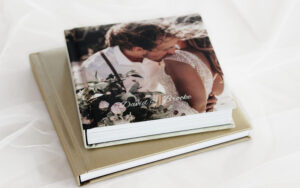
Choosing the right wedding album size may seem like a…
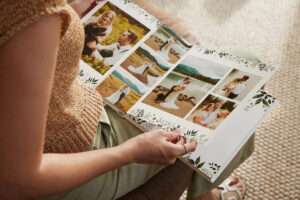
The word luxury is used everywhere in the wedding industry today.…

Part 2: Crafting Emotional Anchors Designing Page Spreads Around High-Energy…